














Product Review
Hume Pod 2.0 Review (2026) – Is This Smart Scale Worth It?
Is the Hume Pod 2.0 worth buying in 2026? Explore its 45 body metrics, body fat accuracy, 3D Digital Twin, smart sensors, app features, pricing, and pros and cons.
Editorial rating preview. Some links may be affiliate — scores stay independent.
Hume Pod 2.0 Review: Smarter Body Tracking at Home?
Traditional bathroom scales tell you how much you weigh, but little about what makes up that weight. The Hume Pod 2.0 takes a different approach, combining advanced sensors, body-composition estimates, and AI-powered insights in one connected device.
But can it deliver meaningful results, or is it another expensive wellness gadget?
Design and Upgraded Sensors
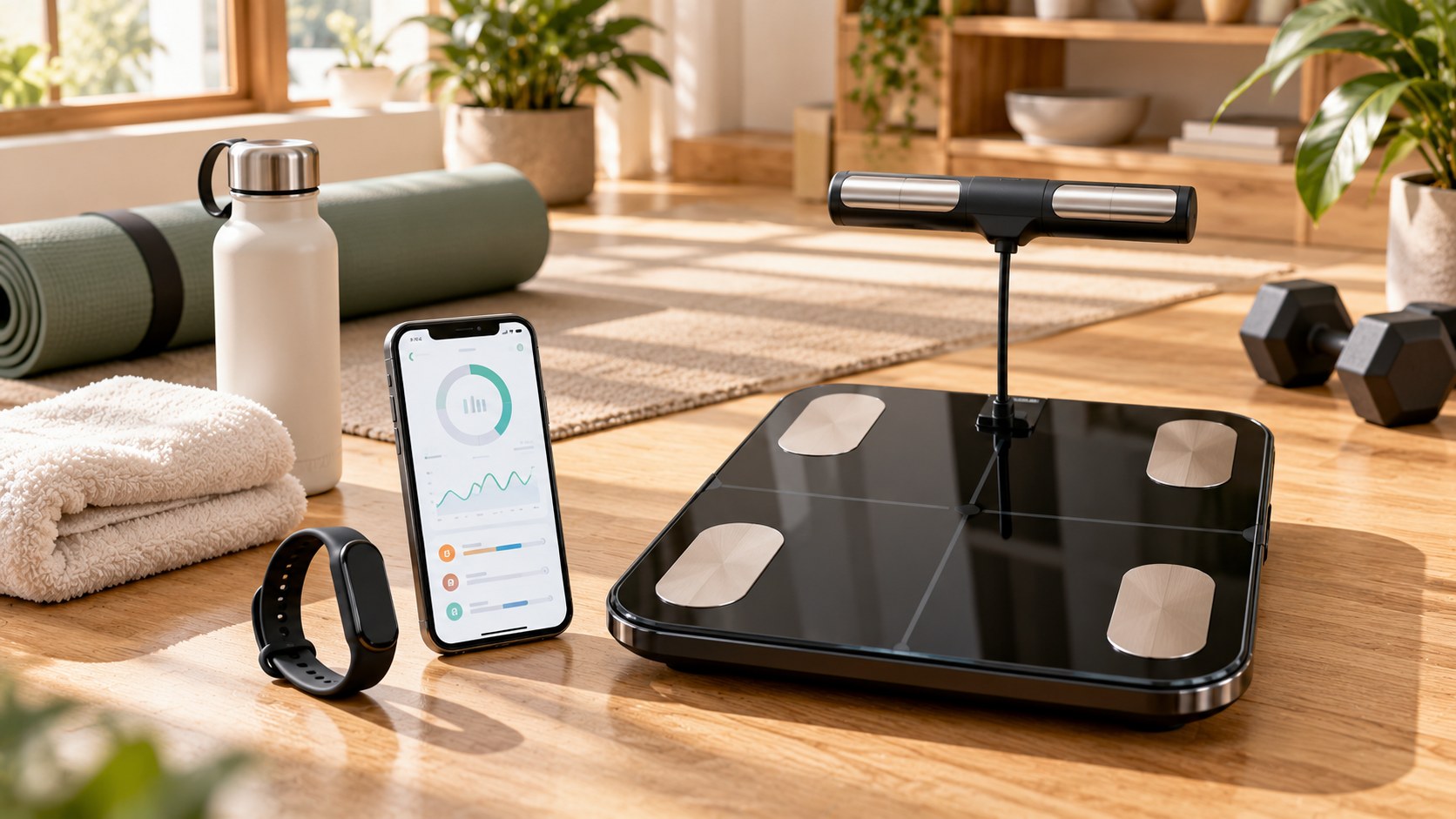
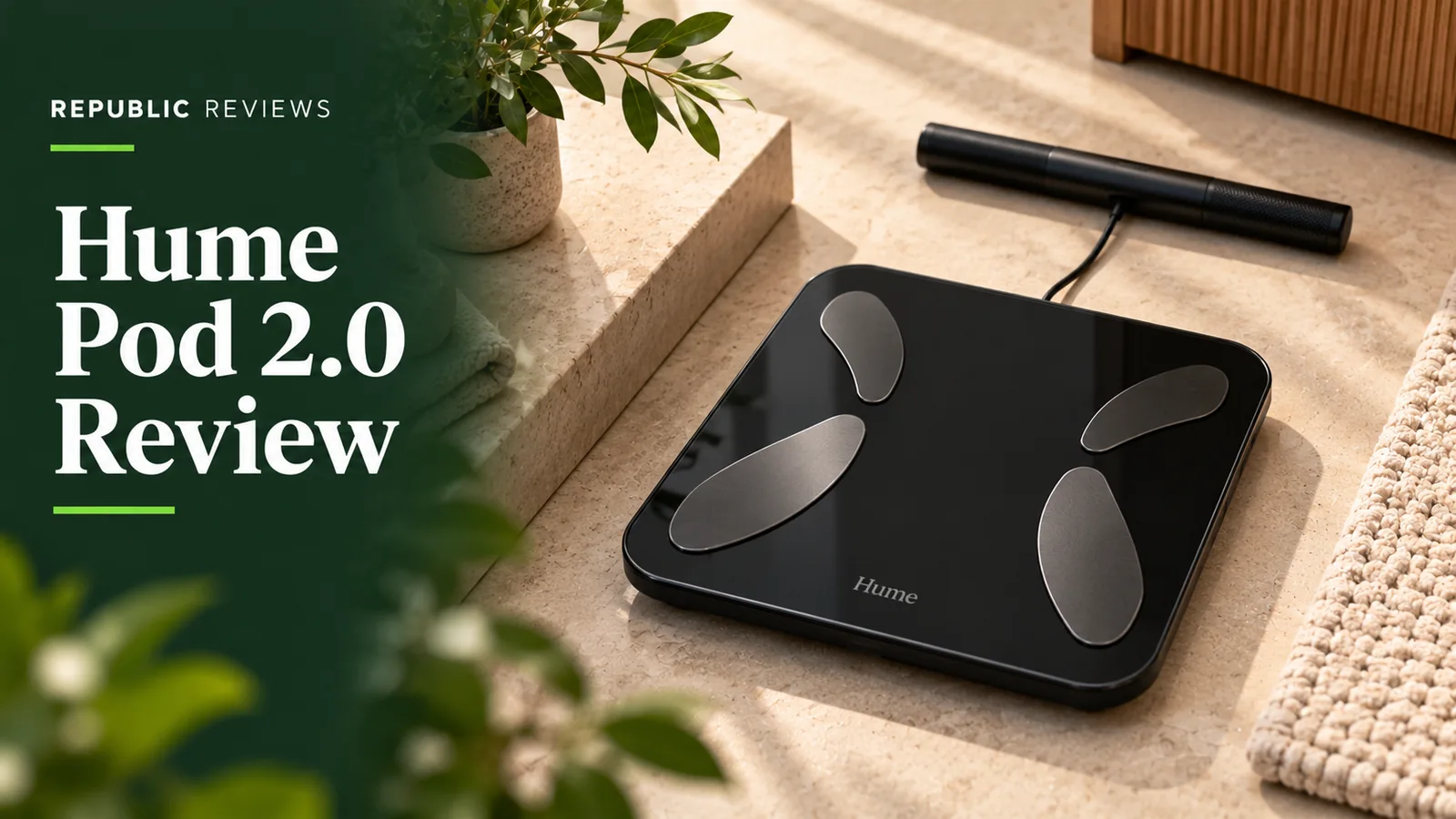
The Hume Pod 2.0 features a tempered-glass platform, redesigned metal foot electrodes, and a wired handheld sensor.
Its multi-frequency bioelectrical impedance analysis (BIA) technology estimates body composition across your arms, legs, and trunk.
Compared with the original Pod, Hume introduces redesigned contact sensors, an updated algorithm, and a system that checks foot contact before measuring.
The sleek device comes in black and white.
Body Composition and Accuracy
The Pod 2.0 tracks 45 health and body-composition metrics, including body fat, muscle mass, hydration, visceral fat estimates, and metabolic age.
Hume advertises 99% body-fat accuracy compared with DEXA and 97% lean-mass accuracy against clinical-grade scanning.
However, sufficient independently accessible validation details aren't available to confirm these claims. BIA readings are estimates affected by factors such as hydration, recent meals, and exercise.
Consistent measurements are therefore more useful than focusing on individual results.
3D Digital Twin and Health App
One notable addition is Hume's Digital Twin, an app-based visualization designed to illustrate body-composition changes over time.
HealthOS combines measurements with connected activity, sleep, and recovery data.
The app displays historical trends and supports multiple users. Core tracking is available without a mandatory subscription, while optional Hume Plus unlocks deeper AI-powered insights.
Battery Life, Pricing, and Value
The rechargeable battery is advertised to last up to one year per charge.
At a promotional price of approximately $249, the Pod 2.0 costs considerably more than basic smart scales but offers detailed segmental estimates and a broader wellness platform.
However, the first-generation Pod already provides extensive body-composition analysis, making the upgrade less essential for satisfied existing owners.
Final Verdict: Is It Worth Buying?
The Hume Pod 2.0 is appealing for fitness enthusiasts who want to monitor body-composition trends, not just weight.
Its redesigned sensors, visual progress tracking, and subscription flexibility are attractive.
Our Take: A feature-rich wellness scale worth considering, provided you understand its accuracy limitations and don't mistake estimated measurements for clinical results.
Editorial disclosure: Based on manufacturer specifications and independent reporting. Republic Reviews has not personally tested or clinically validated this device.
Pros & cons
Pros
- Tracks 45 body-composition metrics, including muscle, fat, hydration, and visceral fat estimates.
- Redesigned metal foot sensors and handheld electrodes provide segmental body analysis.
- 3D Digital Twin visualization helps illustrate longer-term body-composition trends.
- Free core tracking app with support for multiple users and connected health data.
- Rechargeable battery with up to one year of advertised battery life.
Cons
- Advertised DEXA-level accuracy claims lack sufficient publicly accessible validation details.
- Higher price than conventional smart scales and many basic BIA models.
- Individual body-composition readings can fluctuate with hydration, meals, and exercise.
- Advanced AI-powered recommendations require an optional paid Hume Plus membership.
- Limited independent evidence confirms a major accuracy improvement over the original Hume Pod.
Our rating breakdown
- Body Composition Features 4.5 / 5
- Design & Sensor Technology 4.4 / 5
- App Experience & Visualization 4.3 / 5
- Measurement Accuracy & Validation 3.3 / 5
- Value for Money 3.5 / 5
- Overall Editorial Rating 4.0 / 5
30% Off Sitewide By Using this Exclusive Coupon Code
View details
See the retailer site for full terms and exclusions.
Ready to shop? Explore Hume Health coupons
Current codes and deal links we are tracking for this store.
Frequently asked questions
Is the Hume Pod 2.0 accurate compared with a DEXA scan?
Hume advertises up to 99% body-fat accuracy compared with DEXA scans. However, the publicly available information does not provide sufficient validation details to independently confirm this figure. The Pod 2.0 is better viewed as a tool for monitoring estimated body-composition trends, not a replacement for clinical testing.
What's the difference between the Hume Pod and Hume Pod 2.0?
The Pod 2.0 introduces redesigned metal electrodes, improved foot-contact detection, an updated measurement algorithm, and expanded visualization through the Digital Twin feature. Both generations offer extensive body-composition analysis, and a measurable improvement in accuracy over the original has not yet been independently established.
Does the Hume Pod 2.0 require a monthly subscription?
No. The Hume Health app provides essential measurements and historical tracking without a mandatory subscription. Optional Hume Plus, advertised at approximately $9.99 per month, adds deeper AI-powered insights and coaching. Pricing can vary by plan.
How many people can use the Hume Pod 2.0?
Hume advertises support for up to 24 users, allowing households to maintain separate measurement histories. Each person should use their own account, and the scale connects to one phone at a time through Bluetooth.
Is the Hume Pod 2.0 worth upgrading to from the original Hume Pod?
Upgrading may make sense if you want the redesigned electrodes, contact-detection system, or enhanced progress visualization. However, existing owners receiving consistent readings from the original model may not gain enough additional value to justify replacing it.